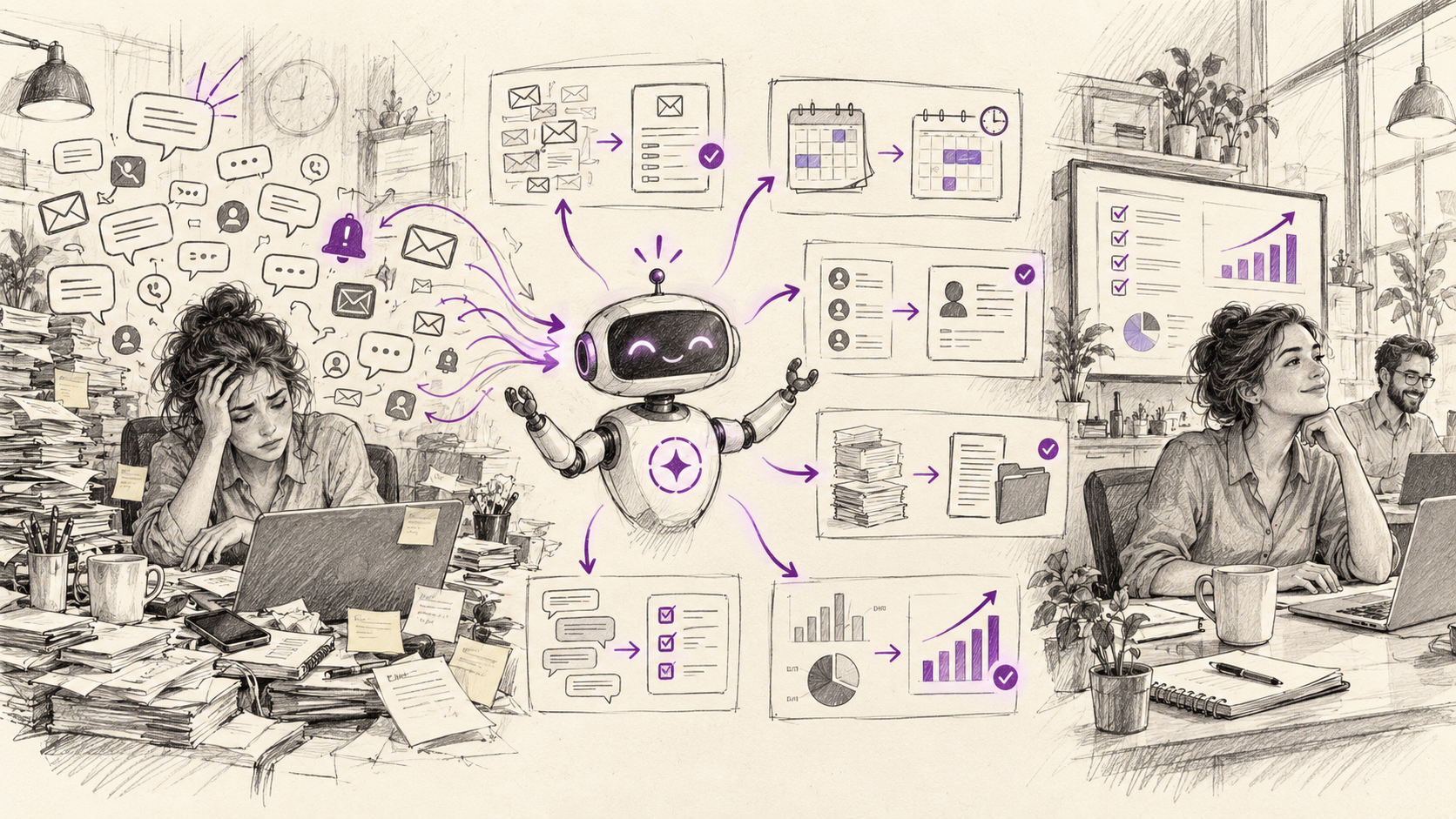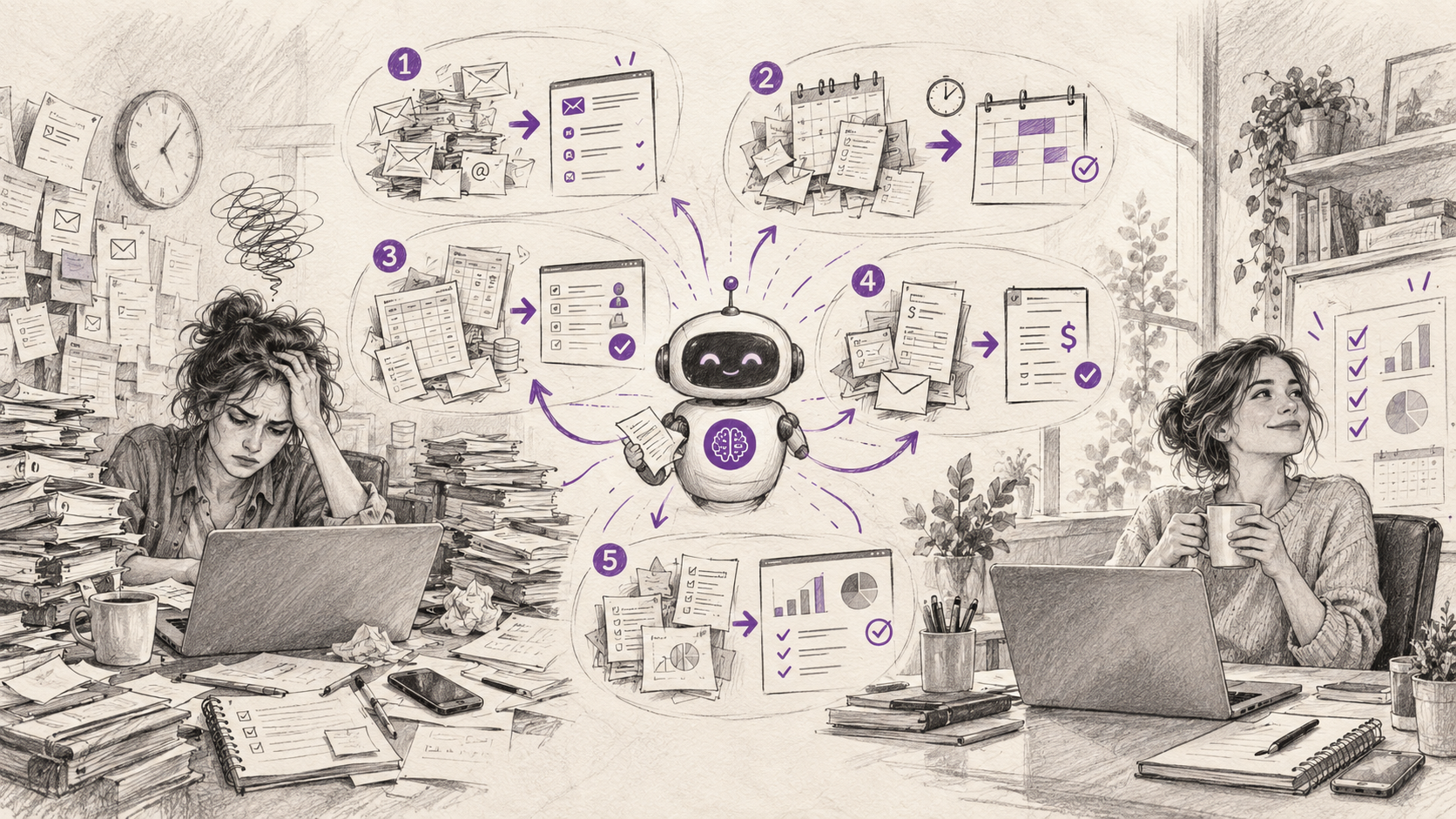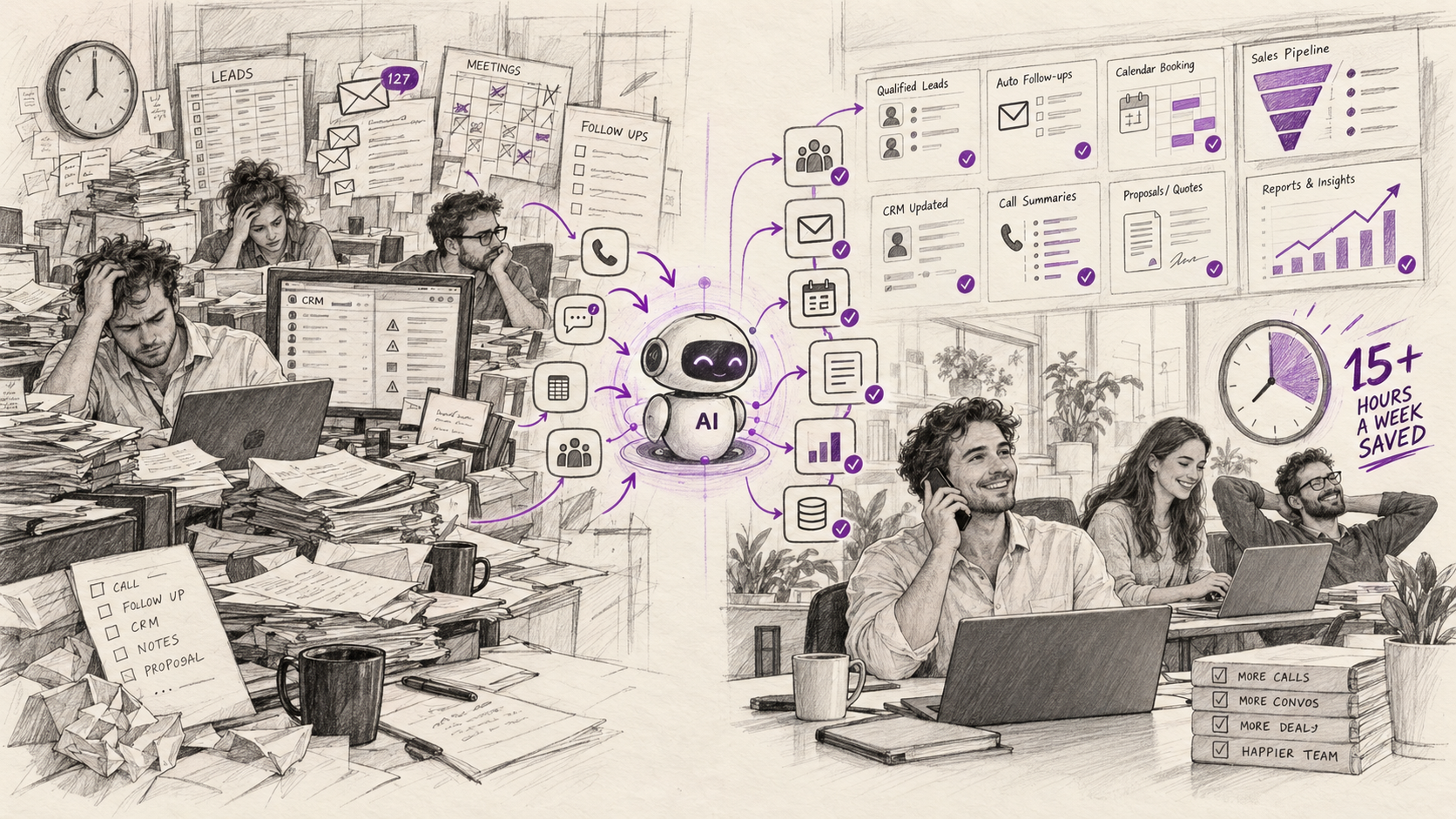
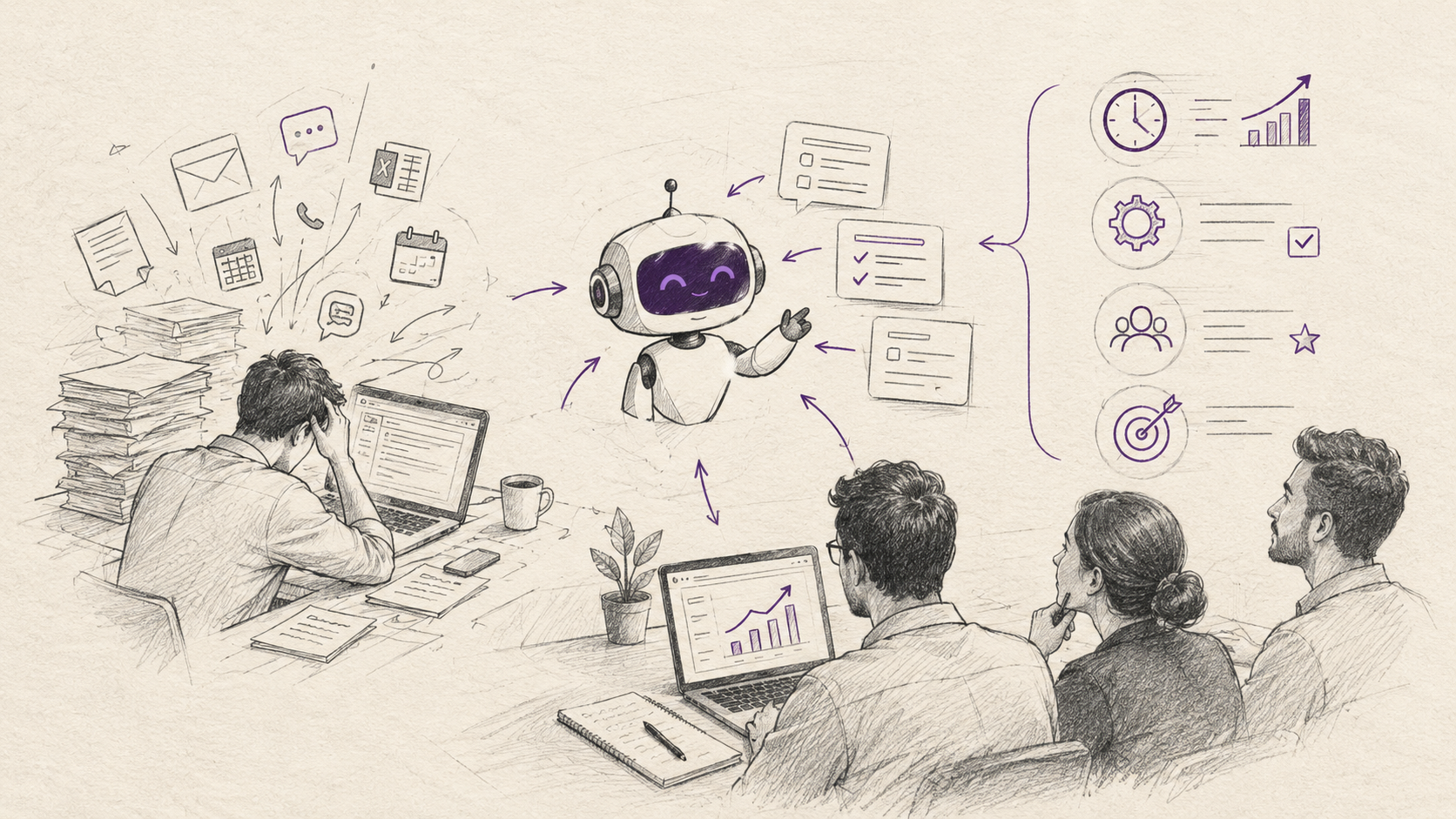
Artificial intelligence has moved far beyond simple chatbots and content generation tools. Today, businesses are beginning to adopt AI agents that can perform tasks, interact with customers, assist employees, and support day-to-day operations with minimal human intervention.
For many organizations, the question is no longer whether AI will impact their industry. The real question is how quickly they can leverage it to improve efficiency, reduce operational costs, and create a competitive advantage.
As AI technology continues to mature, businesses that invest early are positioning themselves to operate more efficiently, respond faster to customers, and scale their operations without relying solely on additional headcount.
What are AI agents?
An AI agent is a software system that can understand requests, make decisions, retrieve information, and perform actions based on predefined objectives.
Unlike traditional automation, which follows fixed rules and workflows, AI agents can interpret context, adapt to different situations, and interact naturally with users.
Depending on the use case, AI agents can:
- Answer customer inquiries
- Qualify sales leads
- Schedule appointments
- Retrieve business information
- Assist employees with internal processes
- Generate reports and insights
- Trigger business workflows
- Interact with multiple software platforms
Think of an AI agent as a digital team member that can perform specific responsibilities around the clock.
Why businesses are adopting AI agents
Organizations across industries face a common challenge: increasing workloads without unlimited resources.
Teams often spend significant amounts of time handling repetitive tasks, answering routine questions, searching for information, and managing administrative work. While these activities are necessary, they rarely contribute directly to growth or innovation.
AI agents help bridge this gap by taking ownership of repetitive and time-consuming activities, allowing employees to focus on higher-value work.
This shift creates benefits that extend beyond simple productivity improvements.
Increased operational efficiency
One of the biggest advantages of AI agents is their ability to perform tasks consistently and at scale.
Unlike human employees, AI agents do not require breaks, are available around the clock, and can handle multiple interactions simultaneously.
For example, an AI agent can instantly answer customer questions, retrieve information from a knowledge base, update records in a CRM, and notify team members when action is required.
By reducing manual effort across departments, businesses can operate more efficiently without increasing complexity.
Faster customer response times
Modern customers expect quick responses regardless of the time of day.
Delays in responding to inquiries can result in lost opportunities, lower satisfaction levels, and reduced trust.
AI agents enable businesses to provide immediate assistance through channels such as websites, WhatsApp, Instagram, email, and live chat.
Whether answering product questions, providing support, or qualifying potential customers, AI agents ensure that customers receive timely responses whenever they engage with the business.
Improved employee productivity
Many employees spend valuable time searching for information, completing repetitive administrative tasks, or manually updating systems.
AI agents can automate these activities and provide instant access to relevant information when needed.
Instead of spending time gathering data or performing routine actions, teams can focus on strategic initiatives, customer relationships, and business growth.
The result is not only higher productivity but also improved employee satisfaction.
Better scalability
Growth often creates operational challenges.
As customer inquiries increase and business processes become more complex, organizations typically respond by hiring additional staff or investing in new systems.
AI agents provide an alternative approach.
Because they can handle large volumes of interactions and tasks simultaneously, businesses can scale operations more effectively without a proportional increase in costs.
This makes AI agents particularly valuable for growing businesses that want to expand efficiently.
Enhanced decision-making
AI agents are not limited to customer interactions and workflow automation.
They can also help businesses analyze information, retrieve insights, and support decision-making processes.
For example, an AI agent can gather data from multiple systems, summarize findings, identify trends, and provide recommendations to managers and leadership teams.
When combined with business intelligence and analytics platforms, AI agents can help organizations make faster and more informed decisions.
Common applications of AI agents
The practical applications of AI agents continue to expand.
Some of the most common use cases include:
- Customer support assistants
- Lead qualification systems
- Appointment scheduling assistants
- Internal knowledge assistants
- Employee support agents
- Sales enablement tools
- Operations management assistants
- Business intelligence assistants
The most successful implementations are typically focused on solving specific business challenges rather than deploying AI for the sake of innovation.
Getting started with AI agents
Many businesses assume AI adoption requires large budgets, complex infrastructure, or extensive technical expertise.
In reality, successful AI projects often begin with a single high-impact use case.
Organizations can start by identifying repetitive tasks, common customer inquiries, or operational bottlenecks that consume significant time and resources.
From there, AI agents can be designed to address those challenges while integrating with existing systems and workflows.
A phased approach allows businesses to achieve measurable results while minimizing risk.
Final thoughts
AI agents are quickly becoming an important part of modern business operations. They help organizations improve efficiency, enhance customer experiences, support employees, and scale more effectively.
However, successful implementation requires more than simply adopting new technology. Businesses need a clear understanding of where AI can create value and how it can support their broader objectives.
At Axyva, we help organizations identify opportunities for AI adoption, develop implementation strategies, and build AI agents tailored to their specific business needs. The goal is not just to introduce AI, but to create practical solutions that deliver measurable business outcomes.
As AI continues to evolve, businesses that invest strategically today will be better positioned to compete, innovate, and grow in the years ahead.